Otti Identifies Seven Sectors to Drive Abia Industrial Growth
By Uka_Chimaobi_Uduma
September 12, 2026 • 2 mins read
Otti Identifies Seven Sectors to Drive Abia Industrial Growth
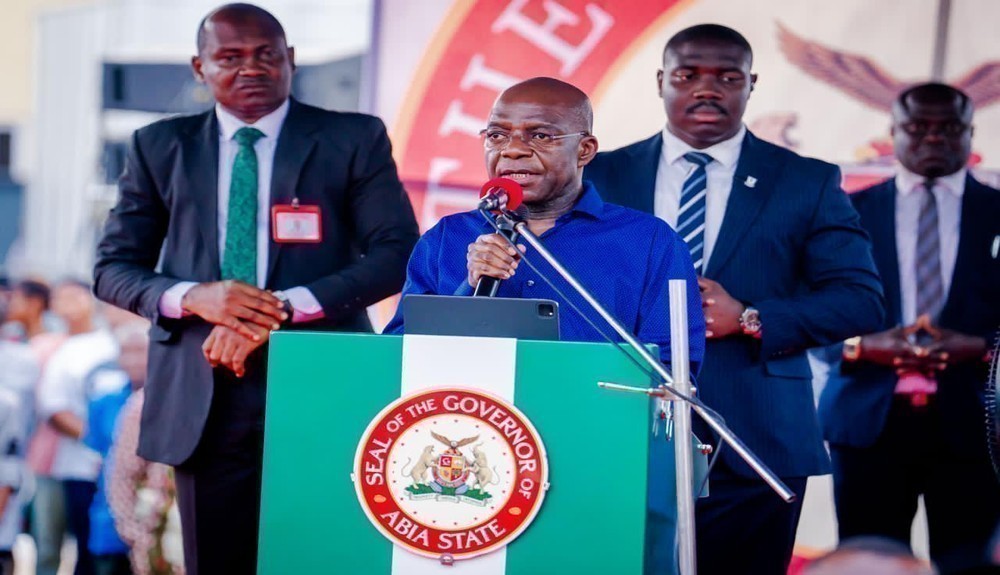
Abia State Governor, Alex Otti, has identified seven priority sectors through which his administration plans to attract investment, deepen industrialisation and drive economic growth in the state.
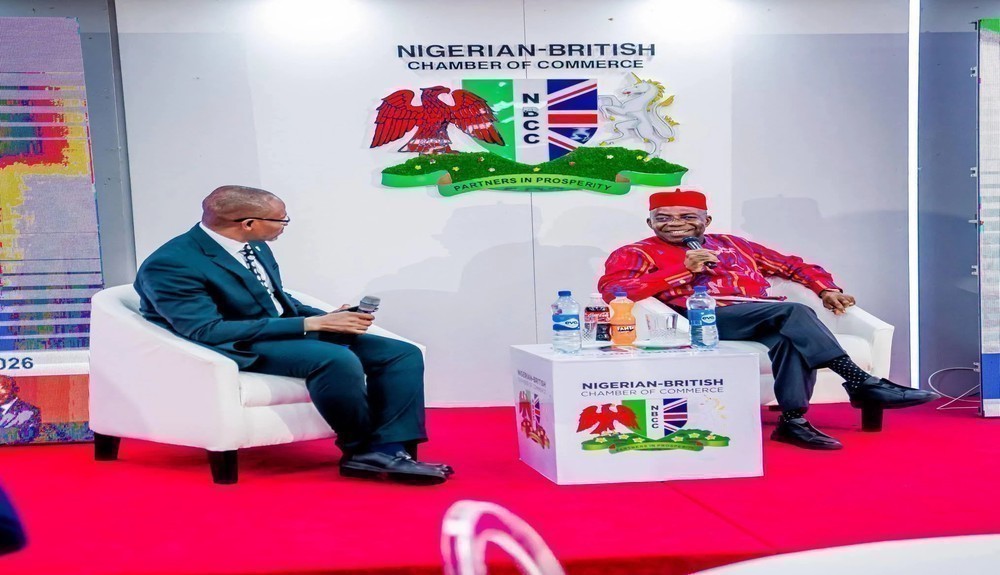
Otti disclosed this on Thursday at the Meet the Governor Series organised by the Nigerian-British Chamber of Commerce (NBCC) in Lagos, with the theme, “Repositioning Abia for Enterprise, Industrialisation and Sustainable Economic Growth.”
According to a statement issued on Friday by the Special Adviser to the Governor on Media and Publicity, Ferdinand Ekeoma, the seven priority areas are agribusiness and agro-processing; trade and markets; creative and digital economy; manufacturing and industrialisation; small and medium enterprise growth; inclusive finance; and diaspora investment and innovation.
Declaring Abia open for business, Otti said his administration had, over the last 39 months, focused on removing barriers to productivity and promoting value creation to make the state more attractive to investors.
He said reforms in fiscal governance and infrastructure were designed to create a conducive environment for businesses to thrive.
The governor noted that the state’s 2026 budget of N1.016 trillion allocated 80 per cent to capital expenditure, describing it as the highest per-resident capital spending in the country based on available national expenditure figures.
Otti also said Abia’s projected internally generated revenue of N223.4 billion was expected to cover recurrent expenditure.
He added that the state was ranked fourth in the BudgIT States Fiscal Transparency League in the fourth quarter of 2025.
On healthcare, the governor said the state’s 15 per cent budgetary allocation to the sector had helped Abia emerge at the top of the national chart on health emergency preparedness.
He also cited a security assessment by Phillips Consulting, which, according to him, ranked Abia favourably in terms of the safety of lives and property.
Highlighting the administration’s infrastructure projects, Otti said 414 roads had been completed, while another 82 were under construction.
He added that more than 10,000 solar-powered streetlights had been installed across Aba, Umuahia and Ohafia.
The governor said Abia currently had the lowest cost of public transportation per kilometre in the country, attributing this to investments in road infrastructure and green shuttle buses.
According to him, the investments were helping to reduce business overheads and turnaround time for businesses operating in the state.
Otti said investment opportunities existed across the plantation, processing, manufacturing and off-take segments.
Under agribusiness, he highlighted opportunities in livestock ranching, dairy, cashew, cocoa and rubber.
He also identified garment manufacturing, ceramics and leather works as areas with industrial potential, while pointing to tourism opportunities around Enyimba Hotels and Ibom Waterfall.
During a fireside chat, Otti identified the proposed Azumini-Obeaku Seaport as a potential trade and logistics gateway for the state.
He also highlighted plans for an industrial park and a medical city as part of the state’s broader development strategy.
The governor said businesses that had previously left Abia were returning, attributing the trend to lower transportation, rental and security costs, as well as a growing population and increased public spending driving consumer demand.
In his remarks, the President of the Nigerian-British Chamber of Commerce, Abimbola Olashore, said Aba’s long-standing manufacturing heritage provided a strong foundation for industrial growth.
However, he stressed that investors needed predictable policies, functional institutions and quality infrastructure before committing capital.
Olashore said the government’s responsibility was to provide an enabling environment, while the private sector should bring the required capital and expertise to drive economic development.