Military Pay Raise Is a Welcome Step, But Welfare Must Go Beyond Salaries
By Uka_Chimaobi_Uduma
August 6, 2026 • 4 mins read
Military Pay Raise Is a Welcome Step, But Welfare Must Go Beyond Salaries
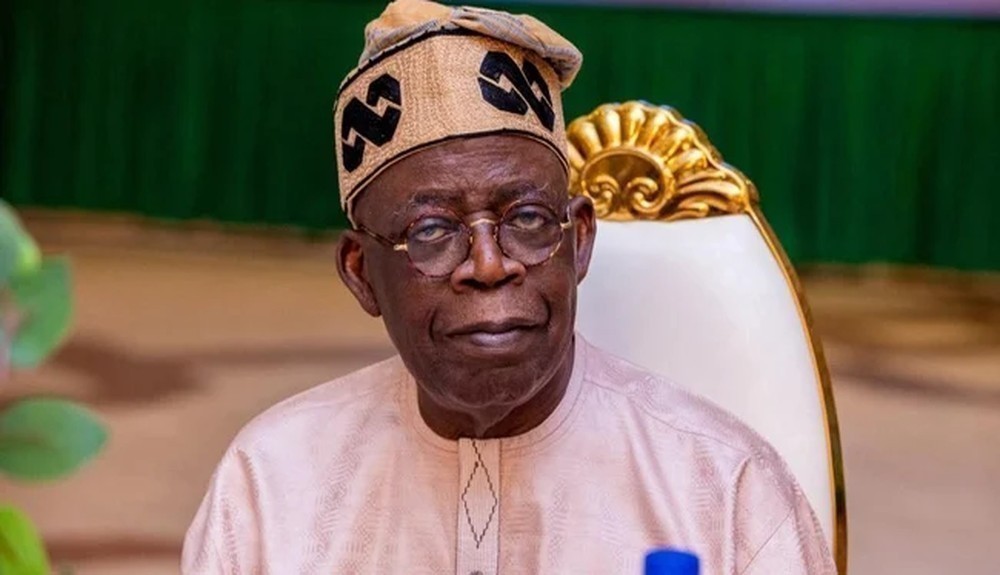
President Bola Tinubu's decision to significantly increase the salaries of members of the Armed Forces is a welcome step towards improving the welfare of military personnel. While the pay raise is expected to boost morale, it should be accompanied by broader economic improvements and sustained investment in the welfare and operational capacity of the military.
On Tuesday, the Federal Government approved salary increases ranging from 30 to 80 per cent for military personnel, marking the second pay enhancement within a month.
Under the new structure, which takes effect in September, soldiers will receive the highest increase of 80 per cent. Warrant officers through to the rank of colonel will enjoy a 50 per cent increase, while brigadier generals and officers above that rank will receive a 30 per cent adjustment.
According to the Presidency, the review will increase the annual military wage bill for about 250,000 personnel from N664 billion to N960 billion. To accommodate the additional expenditure, the government is expected to provide the necessary budgetary allocation.
The announcement has been widely welcomed within military and political circles, with many viewing it as a timely intervention to improve the morale of troops engaged in security operations across the country. Nigerian security forces are currently involved in Joint Task Force operations in 33 states as the nation continues to grapple with insurgency, banditry, kidnapping, and other security threats.
Data released by security research organisation SBM Intelligence indicated that 5,091 people lost their lives to violence during the second quarter of the year, including 304 security personnel, with Borno State recording the highest casualties.
For many years, the welfare of Nigerian military personnel lagged behind the enormous responsibilities placed on them. Beyond defending the country's territorial integrity, troops are simultaneously combating insurgents in the North-East, bandits in the North-West, violent attacks in the North-Central, and oil theft in the Niger Delta.
Until recently, the minimum monthly salary for a Nigerian soldier stood at N49,000 before it was increased to N100,000. Even with that adjustment, the amount remained insufficient in the face of rising living costs.
Figures cited from the National Bureau of Statistics' Healthy Diet report indicate that feeding one adult costs an average of N1,589 per day. At that rate, a monthly salary of N100,000 would barely cover food expenses for 21 days. For soldiers with families, the challenge is even greater, leaving little for housing, education, healthcare, transportation, and other essential needs.
The imbalance between Nigeria's substantial defence spending and the welfare of its personnel has long raised concerns. Although the country allocated N5.41 trillion to defence and security in the 2026 budget, up from N3.10 trillion in 2025, and has invested heavily in military hardware, many rank-and-file soldiers have continued to struggle financially.
Low wages have, in some cases, forced personnel to seek additional sources of income through unofficial security duties and other side jobs, exposing them to potential ethical and professional challenges.
Military service comes with enormous personal sacrifices. Personnel spend extended periods away from their families and operate in dangerous environments where the risk of injury or death is constant. Such commitment deserves competitive salaries, quality accommodation, reliable healthcare, and comprehensive welfare support.
The dangers remain evident. Reports indicate that insurgents have carried out repeated attacks on military formations in recent years, while numerous soldiers and senior officers have lost their lives or been kidnapped during operations.
Many countries demonstrate appreciation for their armed forces through both recognition and competitive welfare packages. In the United States, military personnel receive regular engagement from national leaders alongside salaries and additional allowances for deployment in combat zones.
Comparisons with several African countries also show that military personnel in nations such as South Africa, Kenya, The Gambia, and Togo generally receive higher levels of remuneration than their Nigerian counterparts.
Beyond inadequate salaries, corruption has also undermined military welfare and operational effectiveness over the years. Funds intended for defence and personnel welfare have occasionally been diverted, weakening the capacity of the armed forces.
The recent salary increase fulfils an earlier assurance by the Defence Minister, Christopher Musa, that the Federal Government would further improve the remuneration of military personnel.
Given the persistent rise in inflation and the declining purchasing power of incomes, periodic salary reviews will be necessary to ensure military personnel can maintain a reasonable standard of living.
However, improved welfare should not end with salary adjustments. Troops require modern weapons, adequate logistics, quality intelligence, continuous training, and operational support to effectively confront increasingly sophisticated security threats.
One notable welfare provision already in place is the exemption of Armed Forces personnel from the standard Contributory Pension Scheme. Instead of making employee pension deductions, the Federal Government fully funds the 18 per cent pension contribution on their behalf, helping to provide greater financial security after retirement.
The President is also encouraged to redeploy military personnel currently attached to civilian assignments back to their core operational responsibilities after appropriate retraining where necessary.
Another major initiative was the approval on July 23 for the establishment of four new Army divisions and the recruitment of 28,000 additional personnel. The improved salary structure is expected to make military service more attractive to prospective recruits who may previously have been discouraged by poor welfare conditions.
To safeguard national security, the recruitment process must be transparent, merit-based, and carefully monitored to prevent infiltration by criminal or terrorist elements.
Ultimately, expanding the size of the Armed Forces alone will not address Nigeria's security challenges. A stronger military depends on personnel who are adequately paid, properly equipped, professionally trained, and consistently motivated to carry out the demanding responsibility of defending the nation.